
Table of Contents
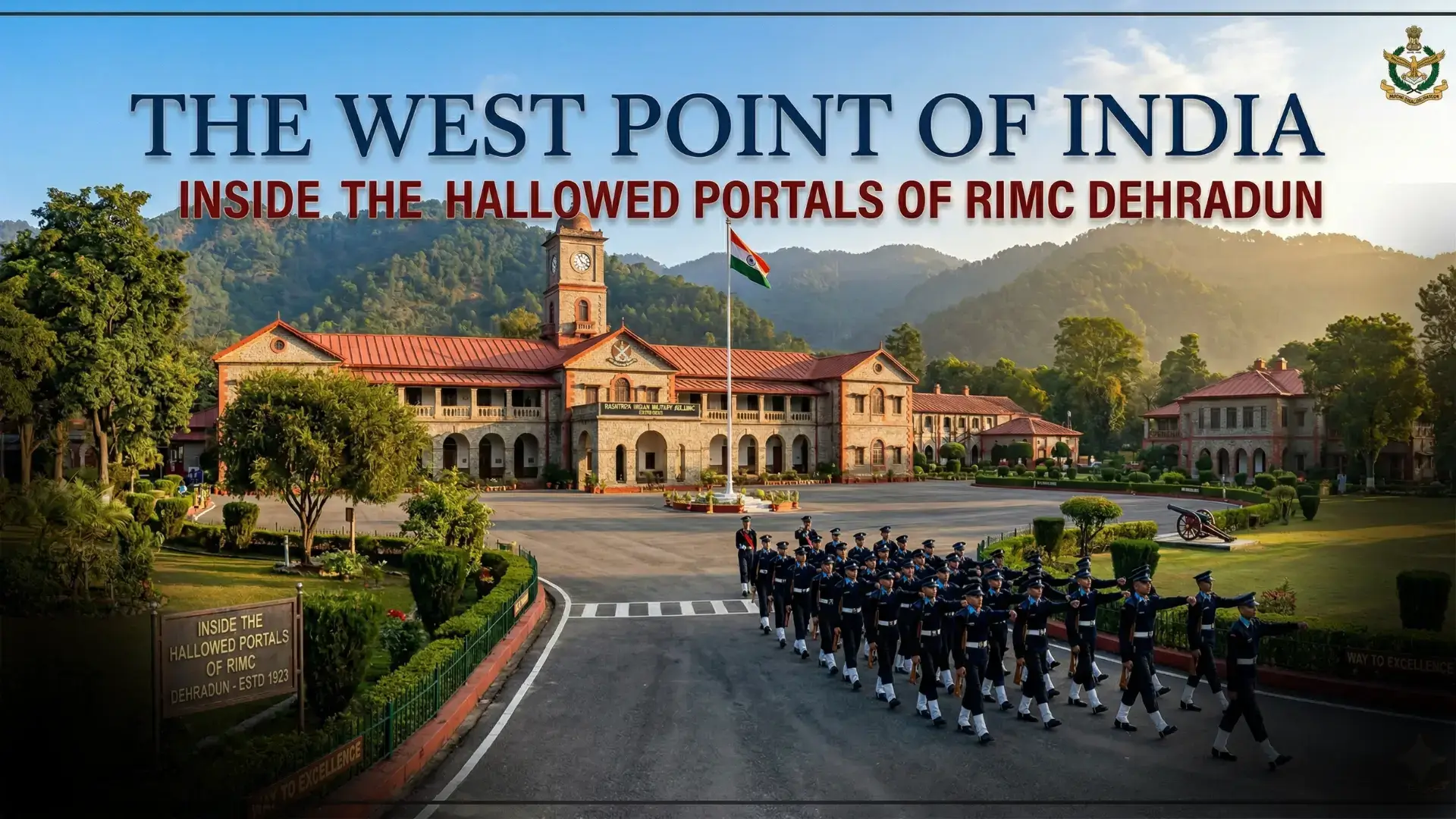
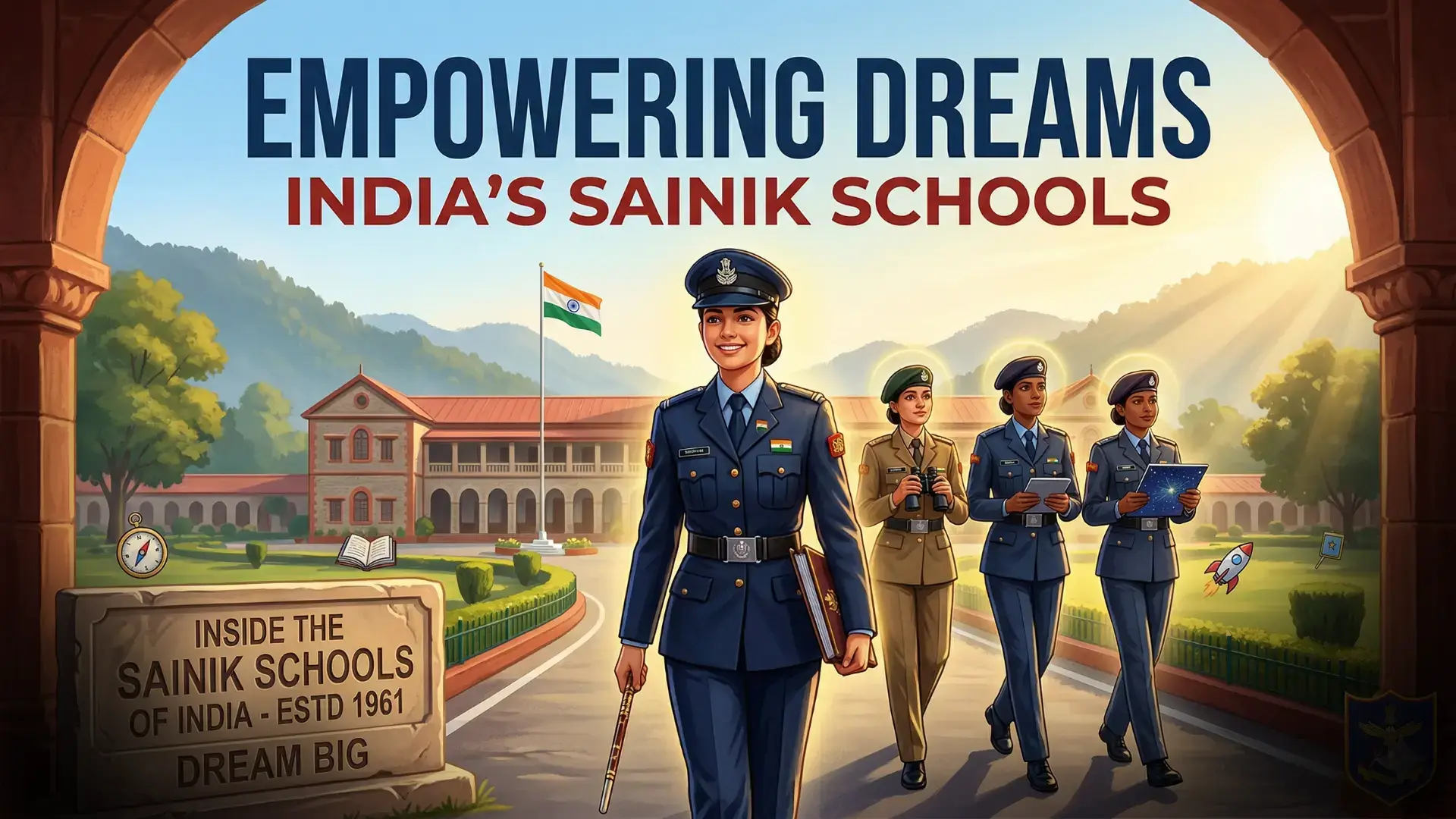
In the quiet, disciplined corridors of five historic campuses across India, a unique transformation takes place every year. Young boys, often barely in their teens, enter as spirited children and emerge as poised, disciplined, and intellectually sharp young men. These are the Rashtriya Military Schools (RMS)—formerly known as King George’s Royal Indian Military Colleges. Established specifically to nurture the sons of defense personnel and promising civilians, the RMS network has become one of the most prestigious feeder institutions for the National Defence Academy (NDA).
To understand the RMS is to understand a legacy that predates Indian Independence, a system that balances the tenderness of school life with the iron-clad discipline of the military.
A Legacy Forged in History
The roots of Rashtriya Military Schools go back to the aftermath of World War I. The first schools were established in Jalandhar and Jhelum in 1925 to provide education to the sons of Indian soldiers. Following India’s independence, the schools underwent several name changes—from King George’s Schools to Military Schools—until they were finally rechristened as Rashtriya Military Schools in 2007.
Today, there are five such schools located in strategically serene environments:
- Chail (Himachal Pradesh): Home to the world’s highest cricket ground.
- Ajmer (Rajasthan): A heritage campus with a rich Rajputana influence.
- Belgaum (Karnataka): A lush, green campus in South India.
- Bengaluru (Karnataka): Located in the heart of the “Garden City.”
- Dholpur (Rajasthan): The youngest of the five, known for its majestic architecture.
These schools are Category ‘A’ establishments run by the Ministry of Defence, ensuring that the quality of life and education is directly supervised by the Indian Army.
Secure Your Future. Join the RMS Elite Batch
The Architecture of Discipline: Life as a Georgian
Students at RMS are affectionately known as “Georgians.” Life on campus is a far cry from the typical “boarding school” experience. From the moment the bugle sounds for the morning “Reveille” to the “Lights Out” call at night, every minute is accounted for.
The Morning Hustle The day begins before the sun is fully up. Georgians participate in morning PT (Physical Training) or drill. This isn’t just about exercise; it’s about synchronization. Watching hundreds of students move as one unit on the parade ground is a testament to the discipline ingrained in them from Class 6.
Academic Excellence with a Military Twist While the schools follow the CBSE curriculum, the approach is vastly different. Classes are small, ensuring personal attention. The focus is heavily on STEM (Science, Technology, Engineering, and Math) and English communication, as these are the pillars of the NDA entrance exam. The teachers are highly qualified civilians, but the administrative control lies with military officers (typically a Lieutenant Colonel or Colonel as the Principal).
The “House” System and Comradeship The “House” isn’t just a place to sleep; it’s a family. Seniors look after juniors, teaching them everything from how to polish their shoes to how to solve complex algebraic equations. This vertical bonding creates a lifelong brotherhood. A Georgian from Belgaum will treat a Georgian from Chail as a blood brother, even if they’ve never met before.
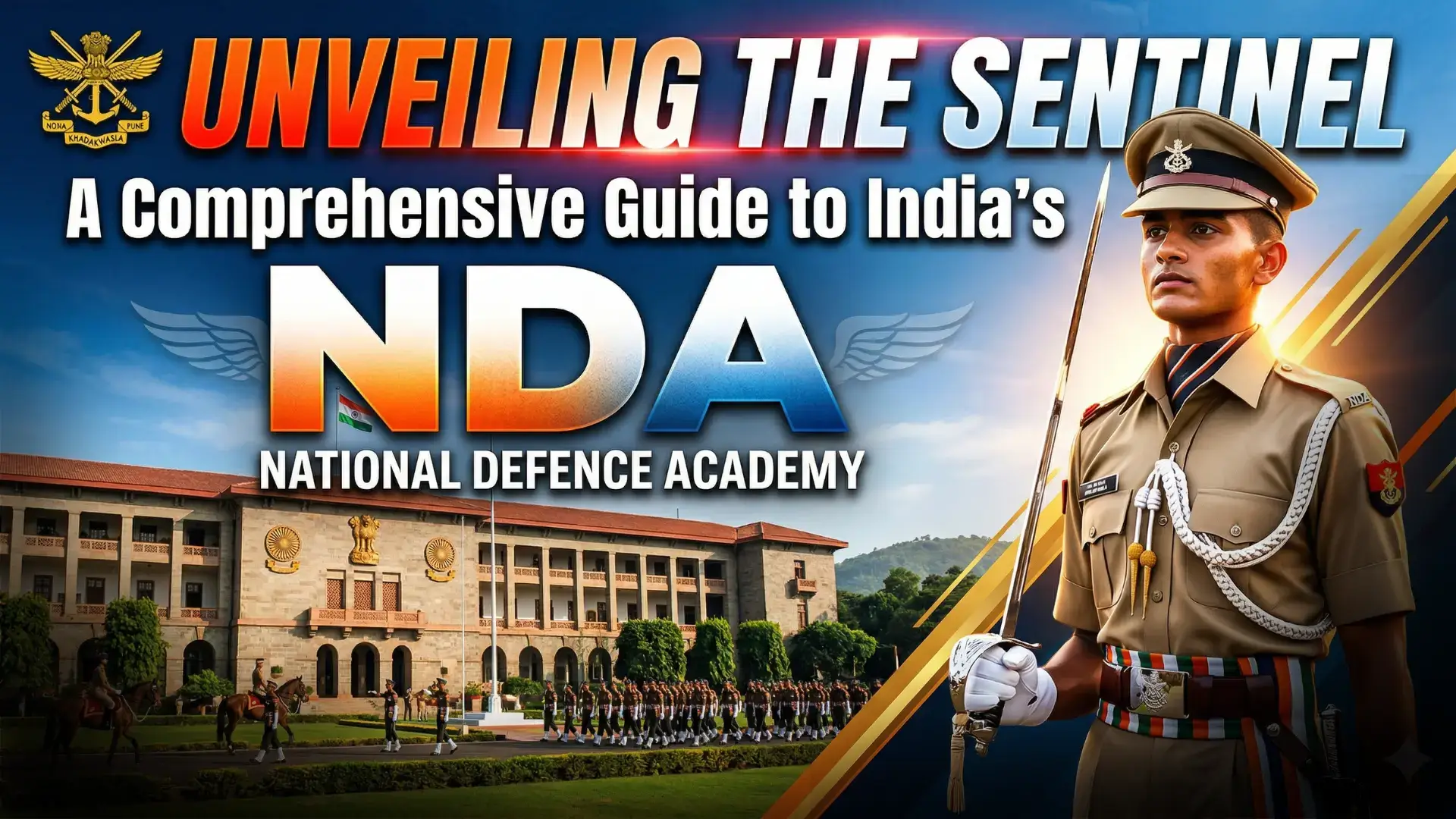
Also Read : Unveiling the Sentinel: A Comprehensive Guide to India's National Defence Academy (NDA)
The Ultimate Objective: The NDA Pipeline
The primary “raison d’être” (reason for existence) of the Rashtriya Military Schools is to prepare students for the Armed Forces. The environment is a “pre-NDA” simulation.
- UPSC Preparation: Specialized coaching for the NDA written exam is integrated into the daily schedule for Class 11 and 12 students.
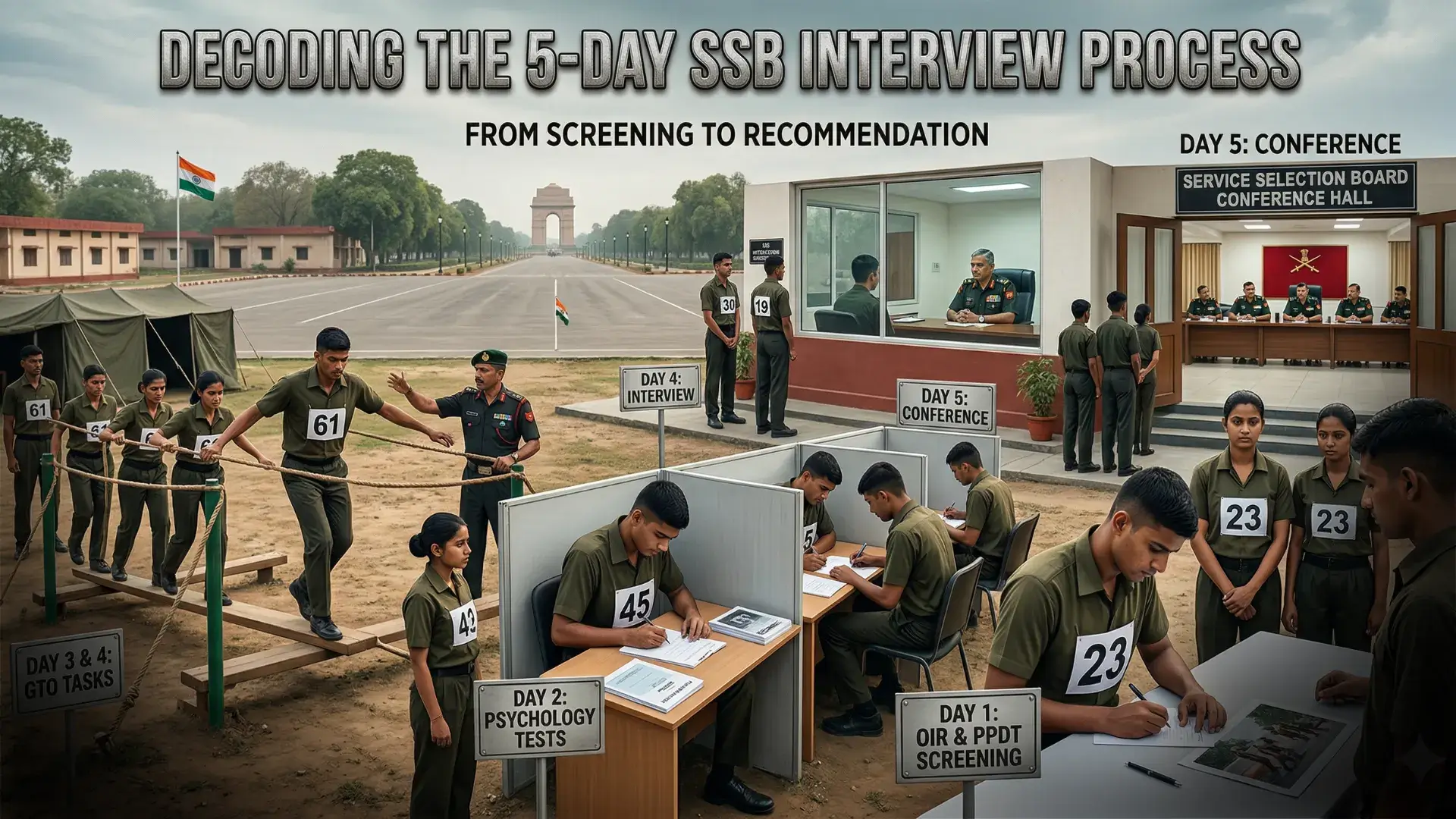
- SSB Orientation: Schools have mock GTO (Group Testing Officer) grounds, obstacle courses, and interview rooms. Georgians grow up around military terminology, making them naturally confident during the actual SSB interviews.
- Leadership Roles: Students are appointed as School Captains, House Captains, and Prefects, giving them early experience in command and responsibility.
Beyond the Uniform: Holistic Development
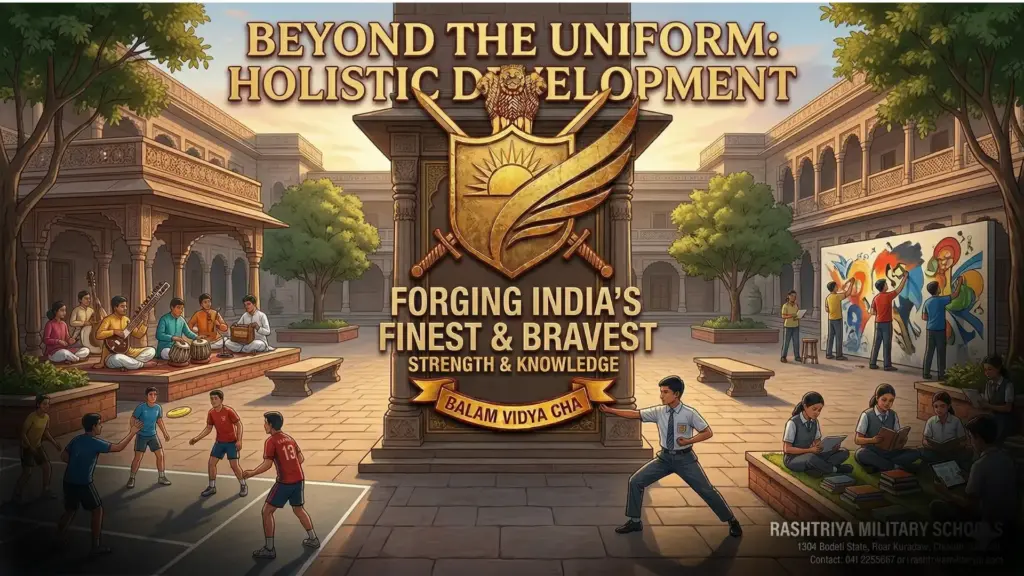
It would be a mistake to think RMS is only about marching and books. The schools are powerhouses of extra-curricular talent. Whether it is horse riding in Chail, swimming in Bengaluru, or debating in Ajmer, a Georgian is expected to be an all-rounder.
The schools boast state-of-the-art hobby centers where students learn woodcraft, music, photography, and electronics. The goal is to produce a “Thinking Soldier”—someone who is physically fit but also culturally and intellectually evolved.
The Social Fabric: Empowerment and Honor
One of the most beautiful aspects of RMS is its social mission. A large percentage of seats (70%) are reserved for the wards of JCOs and ORs (Junior Commissioned Officers and Other Ranks) of the Army, Navy, and Air Force. For a soldier serving on the front lines, knowing his son is receiving a world-class education at a nominal fee is a matter of great pride and peace of mind.
Furthermore, the schools have recently opened their doors to girl cadets, a historic move that aligns with the evolving face of the Indian Armed Forces.
Conclusion: Why Choose RMS?
Choosing a Rashtriya Military School isn’t just choosing a school; it’s choosing a way of life. It’s for the parent who wants their child to value character over comfort and duty over desire.
The motto of the schools, “Sheelam Param Bhushanam“ (Character is the highest virtue), stays with a student long after they leave the gates. Whether a Georgian eventually joins the Army or becomes a CEO, a doctor, or an artist, the imprint of the RMS—the discipline, the grit, and the unwavering integrity—remains their greatest asset.
FAQ’s
1. Can my child join RIMC in Class 6 like Sainik School?
No. RIMC only offers admission to Class 8. Candidates must either be studying in Class 7 or have passed it at the time of admission.
2. What is the exact age limit for the July 2026 term?
For the term starting July 1, 2026, candidates must be between 11½ and 13 years of age. Specifically, they should be born between July 2, 2013, and January 1, 2015.
3. Is RIMC open to girls now?
Yes. RIMC is now fully co-educational. Girls follow the same entrance process—written exam, interview, and medicals—as boys.
4. How many seats are actually available?
It is extremely competitive. RIMC admits approximately 25 cadets every six months (bi-annually). Usually, only one vacancy is allotted per state.
5. Can I download the application form online?
No. RIMC does not accept photocopied or downloaded forms. You must obtain the official prospectus with the hologram directly from RIMC Dehradun via a Demand Draft or the official website’s payment link.
6. What are the qualifying marks for the written exam?
Unlike other schools, you must secure at least 50% marks in each individual subject (English, Maths, and GK) to qualify for the interview. Failing even one subject means disqualification.
7. Is there an interview (Viva-Voce) even for such young kids?
Yes. Shortlisted candidates face a 50-mark interview designed to assess their intelligence, personality, and confidence. It is a critical part of the final merit list.
8. Where do I submit the completed application form?
Do not send it to RIMC Dehradun. The completed form must be submitted to the respective State Government (usually the Directorate of Education or Rajya Sainik Board) of your domicile state.
9. What is the annual fee for RIMC?
The current annual fee is approximately ₹1,32,000. However, many state governments provide generous scholarships to their domiciled cadets based on merit and income.
10. Can we withdraw the child if they don’t like it?
Yes, but it is costly. If a parent withdraws a cadet for personal reasons, they must refund the total cost of training incurred by the government (currently calculated at over ₹2,800 per week plus scholarship amounts).