Table of Contents
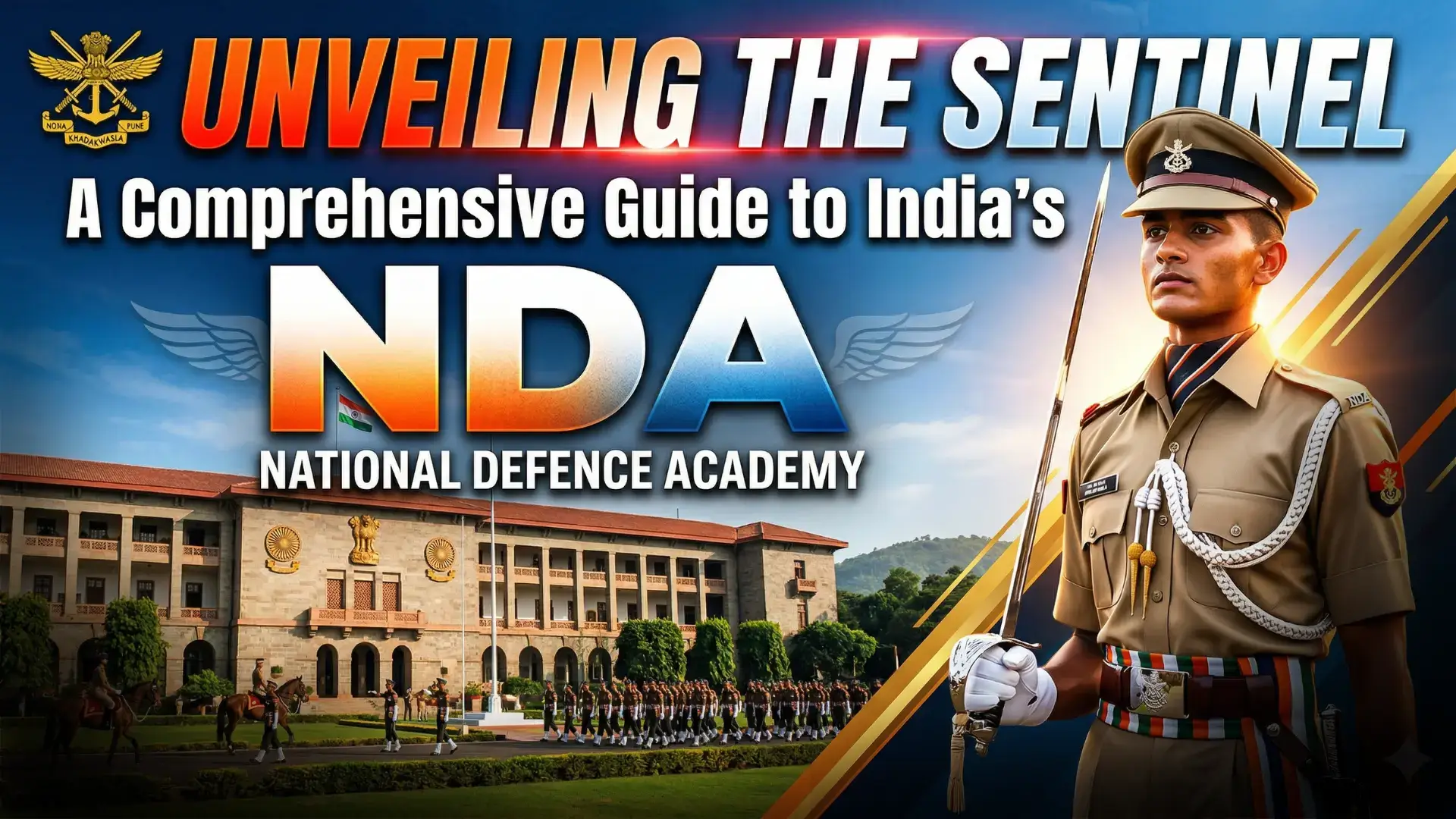
Nestled within the undulating hills of Khadakwasla, near Pune, India, stands a beacon of valour, discipline, and intellectual rigor. This is the National Defence Academy (NDA), a institution of global repute that serves as the premier training ground for India’s future military leaders. For decades, the NDA has been the crucible where young minds are forged into officers, instilling within them the virtues that define a true defender of the nation. In this detailed exploration, we will delve deep into the intricacies of the NDA, from its rich history to the life-altering experience it offers to its cadets.
The Foundations of a Nation’s Might
To understand the NDA, one must first appreciate its historical context. The concept of a tri-service academy was born out of a perceived need for a unified approach to military training. Following World War II, a high-powered committee, with representation from all three services, recommended the establishment of such an institution. In 1949, the Academy was inaugurated, initially functioning with wings for each service located at different sites. The visionary decision to establish a consolidated campus at Khadakwasla was made, and in 1954, the new campus was officially opened, fulfilling a decades-long dream. This unification marked a crucial step towards fostering inter-service cooperation and synergy, essential elements for the defence of a nation as diverse as India.
The choice of Khadakwasla as the site for the NDA was no accident. The undulating terrain, the proximity to a major water body (the Khadakwasla Lake), and the overall serene yet challenging environment provided the perfect backdrop for a rigorous military and academic curriculum. This site not only test the physical endurance of the cadets but also instills within them a deep appreciation for nature and the environment.
From Aspirant to Cadet: Explore Our NDA Wing
The NDA: A Tri-Service Marvel
The National Defence Academy stands apart from other military training institutions in India and, indeed, the world, because of its truly tri-service nature. It is the only academy in India that provides a common, integrated training program for future officers of the Army, Navy, and Air Force. This unique model of education and training is designed to achieve a multiple objectives:
1. Inter-Service Synergy: From their first day at the NDA, cadets live, eat, and train together, irrespective of their future service affiliation. This fosters a deep-seated understanding and respect for the roles and challenges faced by officers in each of the three wings. The resulting camaraderie and inter-service perspective are invaluable in the contemporary battlefield, where integrated operations are the norm.
2. A Holistic Approach to Military Education: The NDA provides a well-rounded and balanced curriculum that encompasses military training, academic studies, and character development. Cadets are not only trained in the nuances of warfare and leadership but also receive a formal university education, typically awarding them a Bachelor’s degree from a prestigious university. This blend of military expertise and intellectual breadth produces officers who are not only skilled fighters but also thoughtful strategists and leaders.
3. Efficient Resource Utilization: By consolidating the training for all three services at a single location, the NDA achieves significant resource optimization. Common infrastructure, training facilities, and faculty members are utilized by cadets of all three wings, leading to economies of scale and efficient allocation of resources.
4. Uniform Training Standards: The NDA ensures that all future military leaders are trained to the same high standards of excellence, discipline, and professionalism. This uniform training regime creates a shared culture and identity, further reinforcing the bonds of unity and cooperation between the three services.
Also Read : The Cradle of Command: A Deep Dive into India’s Rashtriya Military School (RMS)
The Rigorous Path to Officerhood: Life at the NDA
The journey through the NDA is a transformative experience, a grueling yet incredibly rewarding three-year process that turns young adults into officers of the Indian Armed Forces. Life at the NDA is a masterclass in time management, discipline, and personal growth. A typical day for a cadet is a relentless sequence of activities designed to test their physical, mental, and emotional limits:
1. Morning Drill: The day starts well before dawn with a rigorous physical training session. Cadets undergo intense outdoor physical activity, including long-distance runs, agility drills, and strength training. This initial burst of energy sets the tone for the rest of the day and builds physical endurance essential for military service.
2. Academic Classes: After a wholesome breakfast, cadets proceed to their academic classes. The academic program at the NDA is quite diverse, with cadets typically pursuing degrees in science, engineering, or arts. The curriculum is designed to provide a solid intellectual foundation, with courses in mathematics, physics, history, geography, and strategic studies, among others. The NDA faculty includes experienced civilian professors and accomplished military officers, ensuring a blend of theoretical knowledge and practical application.
3. Military Training: The afternoon is typically dedicated to military training and special instruction. Cadets learn the essential skills of warfare, including tactics, weapons handling, first aid, map reading, and field craft. This hands-on training is conducted under the guidance of experienced instructors, with a focus on practical application and decision-making under stress.
4. Self-Study and Recreation: After a demanding day of physical and mental exertion, cadets have time for self-study, recreation, and personal chores. This is when they catch up on academic assignments, participate in various sports and clubs, and interact with their peers, further building the bonds of camaraderie.
Cultivating the Leader Within
The ultimate goal of the NDA is not just to produce skilled fighters, but to cultivate effective military leaders who are capable of taking critical decisions under pressure and inspiring their troops to achieve victory. The NDA achieves this through a multifaceted approach to leadership development:
1. Leading by Example: The NDA faculty, both military and civilian, serves as role models for the cadets. The instructors lead from the front, demonstrating the virtues of discipline, courage, and integrity in their own conduct. Cadets are constantly observing and learning from these accomplished leaders, internalizing the principles that define effective leadership.
2. Peer Leadership Roles: As cadets progress through their three years at the NDA, they are given increasing levels of responsibility and peer leadership roles. This includes positions like Squadron Cadet Captain, Section Commander, and Company Quarter Master, where they are responsible for the well-being and performance of their subordinates. This hands-on experience in leadership provides invaluable lessons in communication, delegation, and motivating others.
3. Stress Management and Decision-Making: The NDA creates a challenging and high-stress environment that forces cadets to confront their fears and limitations. Through a series of demanding physical and mental tasks, cadets learn to manage stress, remain calm under pressure, and take critical decisions with confidence. This prepares them for the inevitable uncertainties and chaotic conditions of the battlefield.
4. Ethical and Moral Education: The NDA places a strong emphasis on the development of a robust moral and ethical framework. Cadets receive formal instruction in ethics, leadership, and military law, and are encouraged to discuss and debate ethical dilemmas relevant to the military profession. This ensures that future officers are not only effective leaders but also individuals of high character who are committed to the highest ethical standards.
The Legacy of the NDA: Serving the Nation with Honour and Valour
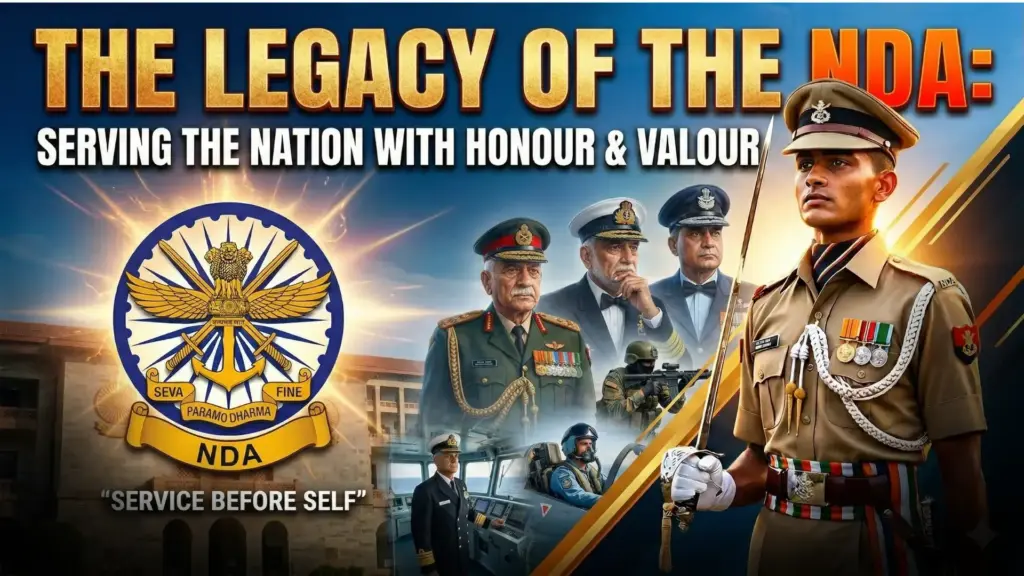
Over the past seven decades, the National Defence Academy has produced generations of decorated officers who have served the nation with honour, valour, and distinction. NDA alumni have played crucial roles in every major conflict and military operation in India’s history, from the Indo-Pak wars to the Kargil conflict, proving their mettle and courage in the face of adversity. The academy has produced several service chiefs, including Generals, Admirals, and Air Chief Marshals, who have led the Indian Armed Forces to numerous victories.
The impact of the NDA extends far beyond the battlefield. NDA alumni have contributed significantly to nation-building, with many going on to hold important positions in the government, diplomatic corps, and corporate sector. The discipline, resilience, and leadership skills they internalized at the NDA serve them well in all walks of life, making them valuable assets to the nation.
Conclusion: The Enduring Significance of the National Defence Academy
The National Defence Academy stands as a testament to India’s commitment to building a strong and professional military leadership. It is more than just a training institution; it is a symbol of India’s national resolve and a reservoir of its martial traditions. In an era where integrated operations and tri-service cooperation are critical for national security, the tri-service model of the NDA has become more relevant than ever. The NDA is a sentinel of India’s security, a hallowed institution that continues to produce officers who are ready to defend the nation with their lives, upholding the glorious traditions of the Indian Armed Forces.
FAQ’s
1. Can girls apply for the NDA, and is the training the same as for boys?
Yes. Following a landmark Supreme Court order in 2021, female candidates are now eligible to join the NDA. While there are specific physical standard variations (like height and weight ratios), the academic curriculum, military grit, and disciplinary rigour remain identical for both genders to ensure a seamless “One Team, One Fight” ethos.
2. I am a Commerce/Arts student. Can I still join the Air Force or Navy through NDA?
No. To join the Air Force or Navy wings, you must have Physics and Mathematics in your Class 12. However, Commerce and Arts students are fully eligible for the Army wing. If your dream is the skies or the sea, you must ensure your 10+2 subjects align with the technical requirements.
3. What happens if a cadet gets injured during the 3-year training?
The NDA has a world-class medical facility (Military Hospital, Khadakwasla). If an injury is temporary, the cadet is “relegated” (held back a term) to recover and then rejoins. However, if the injury results in a permanent medical disability that prevents military service, the cadet may unfortunately be boarded out, though they are often provided with a degree and disability benefits.
4. Do I have to pay for the education and stay at NDA?
The Government of India bears the cost of tuition, clothing, food, and accommodation. However, there is a nominal pocket allowance and certain initial expenses (like the cost of uniform items or personal kits) that parents pay. For families with low income, financial assistance and scholarships are often available.
5. Is the degree from NDA recognized by civil employers?
Absolutely. Cadets are awarded a Bachelor’s degree (B.A., B.Sc., or B.Sc. Computer Science) from Jawaharlal Nehru University (JNU), New Delhi. This is a highly prestigious degree recognized globally for further studies (like an MBA or M.A.) or civil employment if one retires from the forces later.
6. How much “vacation” or leave do cadets get?
Cadets get two main breaks a year: Summer Break and Winter Break, each lasting about 3 to 4 weeks. During these “term breaks,” cadets typically head home to recharge. However, they are expected to maintain a basic fitness level even during holidays.
7. What is the “SSB” and why is it considered tougher than the written exam?
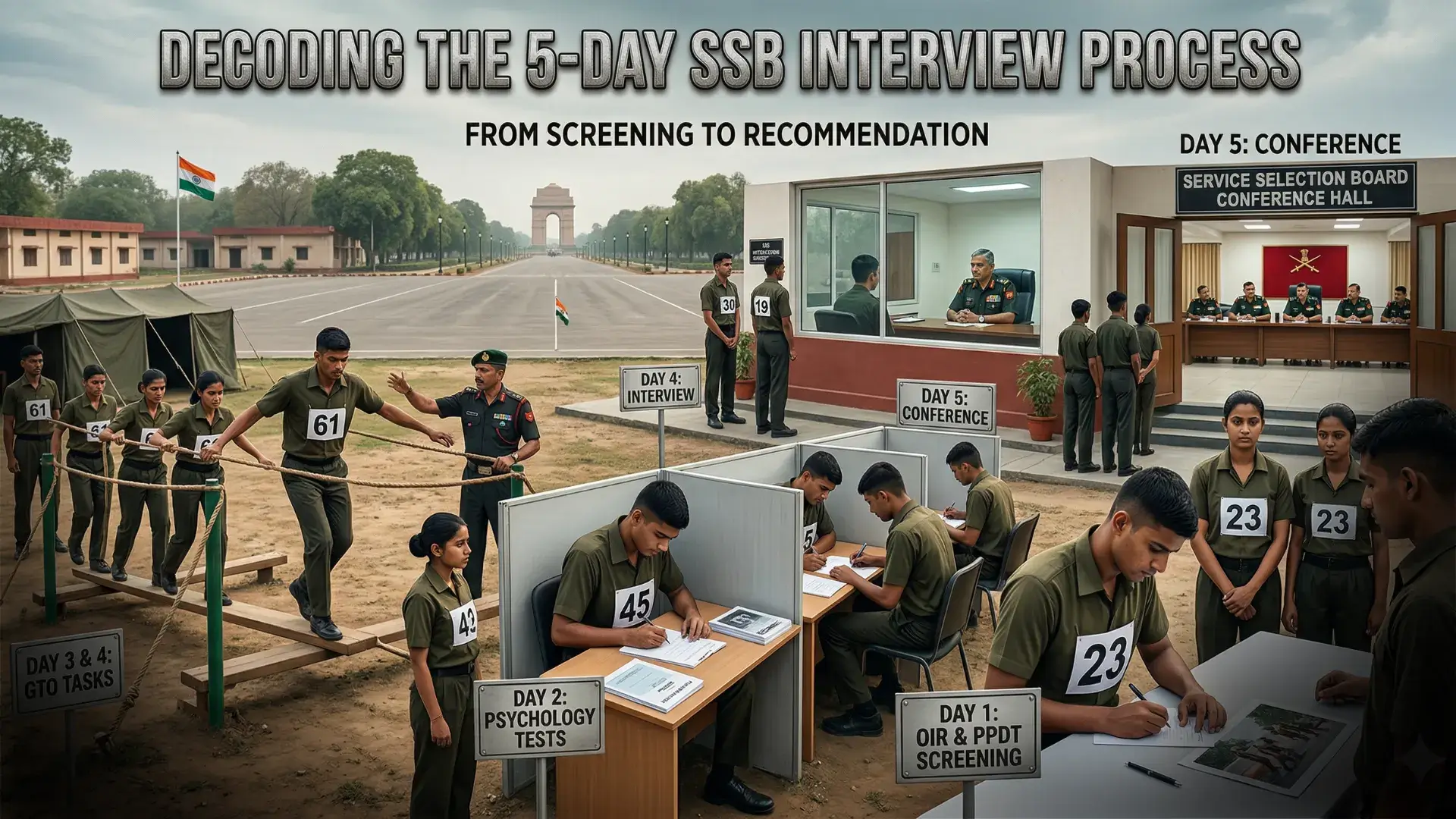
The Services Selection Board (SSB) is a 5-day personality assessment. While the written exam tests your knowledge, the SSB tests your “Officer Like Qualities” (OLQs)—such as courage, social adaptability, and decision-making. Many clear the written exam, but only those with the right psychological temperament pass the SSB.
8. Can I leave the NDA midway if I feel I’m not fit for military life?
Yes, but it comes with a “Withdrawal Cost.” Because the government spends a significant amount on each cadet, leaving for personal reasons (other than medical) requires the parent to refund the cost of training for the period the cadet stayed at the academy.
9. Is there any “Ragging” in the Academy?
The NDA has a zero-tolerance policy toward ragging. Instead, there is a tradition of “Senior-Junior” mentoring. While the life is physically tough and seniors will push juniors to their limits during drills and “front-roll” sessions to build mental toughness, it is strictly monitored and remains within the bounds of military discipline.
10. Do I become an “Officer” immediately after 3 years at NDA?
Not yet. After 3 years, you graduate from NDA with a degree. You then move to your respective Service Training Academy for one more year of specialized training:
– Army: Indian Military Academy (IMA), Dehradun.
– Navy: Indian Naval Academy (INA), Ezhimala.
– Air Force: Air Force Academy (AFA), Dundigal. You are commissioned as an Officer (Lieutenant, Sub-Lieutenant, or Flying Officer) only after completing this final year.